
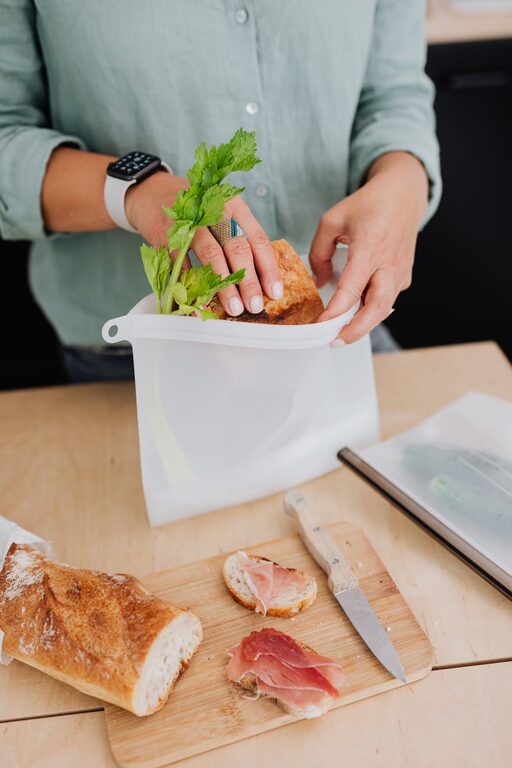
Reducing food waste at home is more important than ever. Not only does it save you money, but it also helps reduce the environmental impact associated with food production and disposal. By making small changes in your daily routine, you can significantly cut down the amount of food that goes to waste. In this post, we’ll explore practical ways you can implement these changes easily.
Why Reducing Food Waste Matters
Food waste accounts for a significant portion of landfill mass, producing greenhouse gases that contribute to climate change. Additionally, wasting food means wasting the resources like water, energy, and labor that went into producing it. By reducing food waste, you conserve resources, save money, and reduce your household’s environmental footprint.
Plan Your Meals Ahead
Create a Weekly Meal Plan
Planning ahead helps you buy only what you need. Sit down once a week to decide what meals you want to prepare, then write a shopping list based on that plan. This prevents impulse buying and reduces the chances of food going unused.
Use a Shopping List
Stick to your shopping list while at the store. Avoid shopping when you’re hungry to reduce impulse purchases, which often lead to food that spoils before use.
Store Food Properly
Understand Storage Basics
Different foods require different storage conditions. For example, some fruits ripen faster in a bowl at room temperature, while others last longer in the fridge. Leafy greens often last longer wrapped in paper towels inside a sealed container.
Use Clear Containers
Store leftovers and prepped ingredients in clear containers. This makes it easier to see what you have, encouraging you to use foods before they spoil.
Label Your Food
Use labels with dates on leftovers and opened packages. This helps keep track of what needs to be eaten first, reducing spoilage.
Use Leftovers Creatively
Plan Leftover Meals
Transform leftovers into new dishes. For example, roast chicken can become chicken salad or tacos. Vegetables can be added to soups, stews, or stir-fries.
Freeze Surplus Food
Many leftovers freeze well and can be stored for longer periods. Portion meals before freezing so you only thaw what you need.
Practice Smart Portioning
Serve Smaller Portions
Serving smaller portions reduces uneaten food on plates. You can always go back for seconds if you’re still hungry.
Involve Family in Portion Decisions
Encourage family members to serve themselves smaller amounts with the option to take more. This reduces plate waste.
Compost Food Scraps
Collect Food Scraps
Instead of throwing vegetable peels, coffee grounds, and eggshells in the trash, collect them for composting.
Use or Donate Compost
If you don’t have a garden, many communities offer compost drop-off sites or community gardens that accept compostable material.
Shop Smart and Seasonal
Buy in Smaller Quantities
Purchase loose fruits and vegetables instead of pre-packaged to control the amount you buy. Shop frequently if you can to keep produce fresh.
Opt for Seasonal Produce
Seasonal produce lasts longer and tends to be fresher and cheaper. Using what’s in season reduces the risk of spoilage.
Monitor Expiry Dates
Understand Date Labels
“Best before” dates indicate quality, not safety. Many foods are safe to eat after these dates but might not be at peak freshness.
Use Older Items First
Place newer groceries behind older ones in your fridge and pantry so you use older items first.
Conclusion
Cutting down on food waste at home is achievable with a bit of planning, creativity, and awareness. By adopting these practical tips, you can enjoy fresher meals, spend less, and contribute to a healthier planet. Start small, and soon these habits will become a natural part of your routine.
—
Implementing these strategies step-by-step makes reducing food waste manageable and rewarding. Try one or two this week, and you’ll likely notice positive changes right away!