
Children’s artwork is a wonderful expression of creativity and imagination. From finger paintings to school projects, these colorful masterpieces can quickly pile up, leading to clutter and frustration. If you’re wondering how to keep your kids’ art organized without losing those precious memories, you’re in the right place. This post offers practical tips and ideas to help you manage and display your kids’ creations thoughtfully and efficiently.
Why Organize Kids’ Artwork?
Organizing children’s art doesn’t just reduce mess; it helps preserve memories in a way that’s easy to revisit. It also teaches kids the value of caring for their belongings and can even inspire them to be more creative with how they store their work.
Step 1: Create a Dedicated Art Display Area
One of the best ways to manage kids’ art is to designate a specific space for display. This not only shows your child that you value their work but also limits scattered artwork throughout the home.
Ideas for Art Display Spaces:
– Framed corkboards or magnetic boards in shared spaces like the kitchen or hallway
– Clipboards hung on the wall for quick, easy swapping
– A gallery wall with simple frames you can rotate artwork in and out of
– Using string and clothespins to create a hanging display that can be changed regularly
Step 2: Sort and Select Regularly
Keep in mind that not every piece of art needs to be kept forever. Regularly review the collection with your child and select favorites to save or display. This helps prevent overwhelming amounts of paper.
Sorting Tips:
– Create categories like “Keep,” “Gift,” “Recycle,” and “Digitize”
– Involve your child in choosing which pieces are most special to them
– Set aside time every few months for sorting to stay on top of the collection
Step 3: Digitize Artwork
Digitizing your child’s art is a great way to preserve memories without physical clutter. By taking photos or scanning artworks, you can keep a permanent record that takes up no space.
How to Digitize:
– Use a smartphone or scanner to create high-quality digital images
– Consider apps designed for organizing kids’ artwork and photos
– Store images in folders organized by date or child’s age
– Create digital photo books or slideshows as keepsakes
Step 4: Organize Physical Art with Storage Solutions
For those special pieces you want to keep in their original form, invest in proper storage that protects and organizes.
Recommended Storage Options:
– Portfolios or large folders: Store flat artwork neatly by size
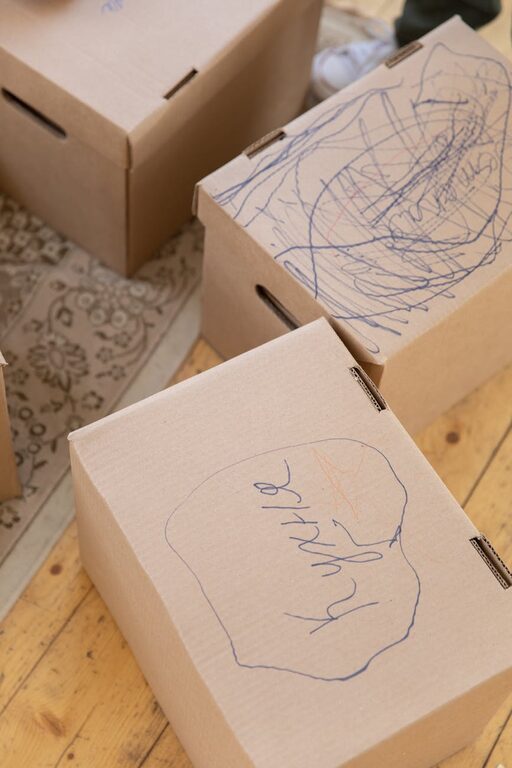
– Storage boxes: Label boxes by child and year for easy retrieval
– Accordion files: Useful for organizing artwork by month or theme
– Binders with plastic sleeves: Great for smaller drawings and papers
Step 5: Repurpose Artwork Creatively
Instead of letting art pile up in boxes, repurpose it into useful or decorative items. It’s a fun way to keep art visible and make new memories.
Creative Ideas:
– Turn drawings into custom greeting cards for family and friends
– Use artwork as wrapping paper for gifts
– Create collages or decoupage projects using cut pieces of various artworks
– Laminate pieces to make placemats or bookmarks
Step 6: Establish a Routine for Incoming Artwork
Create a simple system for managing new pieces as they come into the home.
Tips for a Smooth Routine:
– Set a “drop zone” where kids can place new art daily or weekly
– Schedule a regular review day to sort and decide what to keep
– Teach children to help in the organizing process, making it fun and educational
– Communicate any space limits to set realistic expectations
Step 7: Celebrate and Share Art
Finally, remember that kids’ art is about joy and expression. Celebrate your child’s creativity by sharing it with family and friends.
Ways to Share Art:
– Host a mini “gallery show” at home or virtually
– Use social media to share your child’s creations with a close group (with permission)
– Gift special pieces to relatives as keepsakes
Conclusion
Keeping kids’ art organized doesn’t have to be overwhelming. With simple systems for display, sorting, digitizing, and storing, you can preserve these precious memories while maintaining a clutter-free home. Find what works best for your family and make art organization a fun, ongoing part of your routine. The effort helps honor your child’s creativity now and creates lasting treasures for the future.